OIW 2020: Meet the Sri Lankan tech industry
Torsdag 24. september 2020
10:00 – 10:45
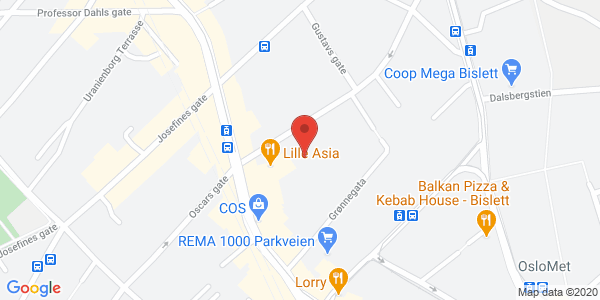
Online - Oscars gate 20, 0352 Oslo, Norge
Om arrangementet
Arrangør: IKT-Norge & Slasscom
The Expectation of the Unexpected
Meet the Sri Lankan tech industry that took drastic measures in the face of COVID-19.
Join the webinar here
As a result of its tumultuous past and recent catastrophic events such as the Easter Sunday Attacks, Sri Lanka and its people are naturally geared to operate from an «expect the unexpected» mindset.
This mindset is responsible for the resilience witnessed within the tech sector, and many other sectors in the country, when responding to the COVID-19 crisis. These events have also shaped its people and business community to be flexible and ready to accept a “new normal” with agility
Throughout the COVID-19 crisis, Sri Lanka’s tech sector has emerged as a beacon of resilience, inspiring and helping other sectors and countries to adapt to the new post-pandemic business reality. The partnerships, commitment and dedication displayed by the sector is a testament to the fact that Sri Lanka is a premier global destination for tech businesses with a resilient talent pool, infrastructure, government support, and social environment.
How the Sri Lanka tech sector adapted new and unfamiliar landscape
• SLASSCOM (Sri Lanka Association of Software and Service Companies) took leadership and ensured necessary assistance to the tech sector;in the form of allowing for essential operations to continue such as access to servers and movement of essential personnel for troubleshooting and mission critical systems maintenance.
• Sri Lanka's telco operators stepped in: by boosting bandwidth and enabling VPNs and other required services for sensitive businesses to remain operational, remotely.
• Government provided financial assistance to the SME sector by mobilizing low interest working capital loans and moratoriums on existing loans through the banking systems
Notable transformation:
• Mitra Innovation, a digital advancement company, alongside moving 100% of its staff to WFH, used the crisis as an inspiration to develop new products such as their Dynamedics platform, which allows for remote and accessible healthcare services to be provided by connecting patients and healthcare professions digitally.
• Calcey Technologies, a software product engineering company that quickly adapted the new paradigm. This is a company that, as part of one of its many operations, supports Britain’s NHS and food delivery to frontline healthcare workers in the UK.
• Stax Inc, a global management consulting firm in Colombo, switched to the remote working model over the span of just a single weekend. The Company supported the digital transformation of its local clients by drawing on support from its cross-functional teams of consultants and technical specialists.
• Sixer video pledged to allow companies to use their platform free of charge to continue with virtual interviews and keep their recruitment processes running.
Rethinking education in Sri Lanka, after a nationwide lockdown
The wider challenges of remote learning:
• The economical gap
• Online classes aren't a substitute for classrooms
• Evolution: Technology finds it place in the classroom
Link to this webinar will be sent by email befor the webinar starts.
This event is a part of Oslo Innovation Week's official program.
Questions? Contact Christopher Hoff, political adviser, IKT-Norge: ch@ikt-norge.no